How Proper Installation Prevents Cracking and Settling
Hiring local contractors who specialize in proper concrete driveway installation can ensure your driveway resists cracking and settling by using quality materials and correct techniques.
Understanding how proper installation prevents cracking and settling is essential for property owners looking to ensure the longevity and durability of their concrete surfaces. In the local area, where weather fluctuations and ground conditions can impact concrete stability, choosing experienced service providers is a practical step toward avoiding costly repairs down the line. Proper installation techniques-such as adequate subbase preparation, correct mixing, and appropriate curing-play a crucial role in maintaining a solid, even surface that resists common issues like cracking and uneven settling. Keeping this in mind can help property owners make informed decisions when planning a new driveway or other concrete features.
For those exploring concrete driveway installation, the importance of expert craftsmanship cannot be overstated. Local contractors who understand the specific soil and climate conditions of the area can tailor their approach to ensure the foundation is properly prepared and the concrete is installed to withstand future challenges. This attention to detail helps prevent common problems like cracking and settling, saving property owners time and money over the lifespan of their driveway. By focusing on proper installation practices, property owners can enjoy a smooth, durable surface that stands up to the demands of everyday use.
- Concrete driveway installation services are essential when planning a new driveway to ensure proper base preparation and reinforcement that help prevent cracking and settling. Local contractors focus on accurate subgrade assessment and proper concrete mixing techniques to promote long-lasting results. When existing driveways show signs of cracking or uneven settling, experienced service providers can evaluate underlying issues and perform repairs that reinforce stability. Proper installation methods, including control joints and adequate curing, are emphasized by local pros to minimize future damage. Those considering driveway upgrades or repairs should consult local service providers skilled in techniques that mitigate common problems like cracking and settling.


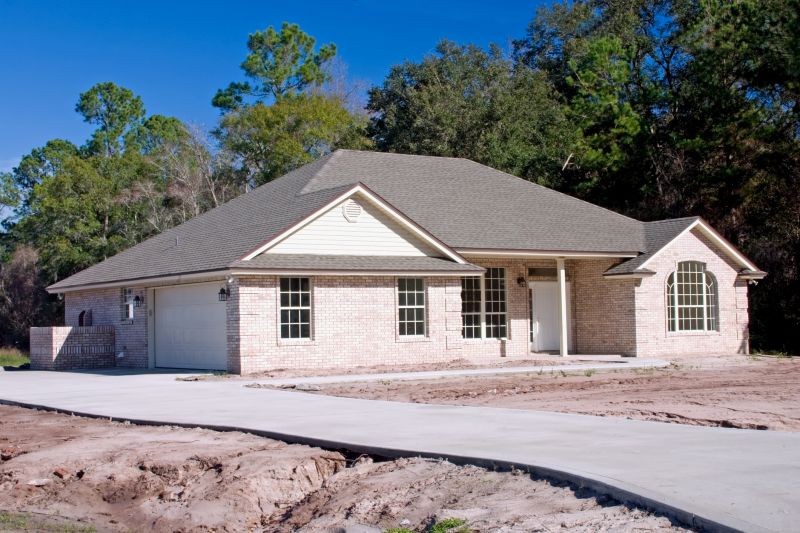
Proper installation of concrete driveways plays a crucial role in preventing common issues like cracking and settling over time. When a driveway is installed correctly, it begins with preparing a stable foundation, which includes proper grading and compacting of the subgrade. This ensures that the weight of vehicles and foot traffic is evenly distributed, reducing the risk of uneven pressure that can cause the concrete to crack or shift. Local contractors who specialize in driveway installation understand the importance of this initial step and use techniques that promote long-term stability, helping homeowners avoid costly repairs down the line.
The process of proper installation also involves careful placement and finishing of the concrete itself. This includes controlling the timing of pouring, ensuring the right mixture is used, and applying appropriate curing methods. Proper finishing techniques help create a smooth, durable surface that resists surface cracking caused by temperature fluctuations or minor ground movements. Additionally, joint placement is critical; well-designed control joints allow the concrete to expand and contract naturally, preventing random cracking. Service providers experienced in driveway installation follow these best practices to ensure the concrete remains intact and functional for years to come.
Proper installation is especially important for properties with specific conditions or plans for expansion. For example, homes with expansive clay soils or areas prone to ground movement require specialized techniques to accommodate soil shifts without damaging the driveway. Similarly, properties with heavy vehicle use or high traffic volumes benefit from reinforced concrete and strategic joint placement. Local contractors can assess the property’s unique conditions and recommend installation methods that minimize settling and cracking, ensuring the driveway maintains its integrity despite environmental or load stresses.
Certain types of properties tend to encounter more issues with cracking and settling if installation is not done correctly. These include residential homes with uneven terrain, commercial properties with heavy equipment traffic, and properties located in regions with significant temperature swings. In such cases, proper installation becomes even more critical to prevent problems that can compromise safety and appearance. Connecting with experienced local service providers can help homeowners choose the right techniques and materials suited to their property’s specific needs. This proactive approach ensures the driveway remains durable, stable, and visually appealing over time.
Paving projects - Proper installation techniques are essential in paving to prevent cracking and settling, making experienced local contractors valuable for durable results.
Foundation repair - Skilled service providers use similar planning and tools to ensure stable bases that resist movement and cracking over time.
Patio and walkway construction - These projects require careful surface preparation and proper installation to avoid future settling and cracking issues.
Retaining wall installation - Proper planning and techniques help prevent structural failure caused by settling or cracking in retaining structures.
Landscape edging services - Correct installation methods ensure long-lasting borders that resist shifting and cracking with soil movement.
Concrete slab pouring - Local contractors apply precise techniques to ensure slabs are level and stable, reducing the risk of cracking and settling.
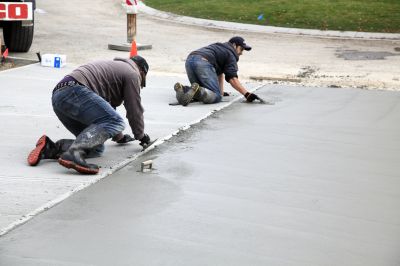
When evaluating service providers for concrete driveway installation, it is important to consider their experience with similar projects. Contractors who have a proven track record of handling driveway installations can better understand the nuances of proper installation techniques that prevent cracking and settling. An experienced local contractor will be familiar with the specific soil conditions and weather factors in the area, which can influence the longevity and stability of the driveway. Asking for examples of past projects or references related to driveway work can provide insight into their expertise and the quality of their workmanship.
Clear written expectations are essential when comparing local contractors. A detailed scope of work should outline the steps involved in the installation process, including preparation, pouring, finishing, and curing procedures. This clarity helps ensure that both parties understand what is included and what standards will be followed to minimize issues like cracking or uneven settling. Service providers who communicate their process and expectations openly demonstrate professionalism and a commitment to quality, making it easier for homeowners to assess whether they are a good fit for the project.
Reputable references and good communication are key factors when choosing a contractor for concrete driveway installation. Local pros with positive references from previous clients often indicate consistent performance and adherence to best practices that support long-lasting results. Additionally, responsive and transparent communication throughout the planning and installation process helps address questions or concerns early, reducing the likelihood of misunderstandings that can lead to improper installation. Selecting a service provider who values clear dialogue and has a history of satisfied customers can contribute significantly to a successful project that effectively prevents cracking and settling over time.
Property owners often search for how proper installation prevents cracking and settling when they are planning practical projects around their homes and businesses. Local pros provide Concrete Driveway Installation services for everyday jobs and straightforward project options.
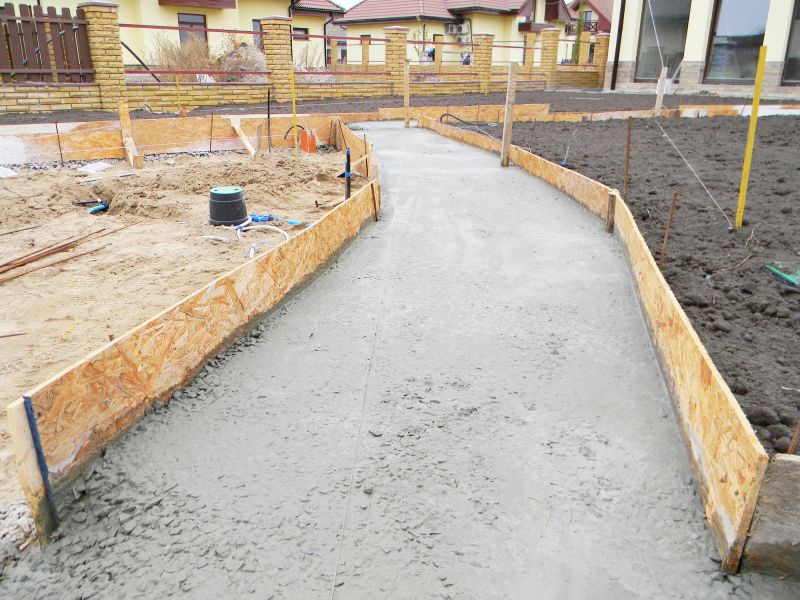

Proper installation techniques are essential in preventing common issues like cracking and settling in concrete driveways. When local contractors carefully prepare the ground, ensure proper sub-base compaction, and use appropriate curing methods, the driveway gains added stability and durability. This attention to detail helps the concrete withstand daily stresses, temperature changes, and soil movement, reducing the likelihood of unsightly cracks or uneven settling over time.
Homeowners in the area often seek out local service providers for concrete driveway installation because experienced contractors understand the importance of proper procedures. These professionals can assess soil conditions, select suitable materials, and follow best practices to ensure a long-lasting result. Choosing skilled local contractors can make a significant difference in how well a driveway holds up, providing a solid foundation that minimizes future maintenance and repair needs.
How does proper installation prevent cracking in a concrete driveway? Proper installation ensures the concrete is placed with appropriate reinforcement, joint placement, and curing techniques, which help distribute stress evenly and reduce the likelihood of cracking.
In what ways does proper installation prevent settling issues? Proper installation involves preparing a stable base and using suitable subgrade materials, which provide a solid foundation that minimizes uneven settling over time.
Why is joint placement important in preventing cracks and settling? Correct joint placement allows for controlled cracking and movement, accommodating natural expansion and contraction without damaging the driveway surface.
How can local contractors ensure proper concrete mixing and placement? Experienced service providers follow industry best practices for mixing ratios, pouring techniques, and curing processes to promote a durable, well-settled driveway.
What role does quality materials play in preventing cracking and settling? Using high-quality, properly specified materials contributes to the strength and longevity of the driveway, reducing the risk of issues caused by poor material performance.
Proper site preparation - Ensuring a stable and level base helps prevent uneven settling that can lead to cracks in a concrete driveway.
Adequate reinforcement - Using appropriate reinforcement materials like rebar or wire mesh can distribute loads evenly and reduce cracking risks.
Controlled curing process - Allowing the concrete to cure gradually prevents stress buildup that causes cracking and settling issues.
Professional installation techniques - Experienced service providers follow best practices to ensure proper joint placement and thickness, minimizing future settling.
If you are thinking about how proper installation prevents cracking and settling for a property, this guide is meant to help you understand this topic, the typical project types, and how different options might fit your plans.
When you are ready, you can use the quote form on this page to share a few details about your project. From there, local pros can review the basics and follow up with options that match what you have in mind.